
Digital Displays Made Easy: Publishing and Managing Content
Introduction
In today’s digital-first world, communication is no longer limited to posters, billboards, or static boards. Businesses are shifting to digital displays because they allow dynamic, engaging, and real-time content publishing. Whether it’s a retail store promoting offers, a hospital guiding patients, or a corporate office sharing updates, digital displays have become the ultimate medium for impactful communication.
But to unlock their full potential, businesses must understand how to effectively publish and manage content on these displays.
Why Publishing Content on Digital Displays Matters
- Instant Updates – Change promotions or messages anytime, without waiting for print.
- Higher Engagement – Videos and animations attract more attention than static posters.
- Cost Savings – No recurring costs for reprints.
- Targeted Messaging – Schedule different content for different times, locations, or audiences.
Steps for Publishing Content on Digital Displays
1. Choose the Right Display Hardware
The type of digital display you use (LED, LCD, smart TV, touch screen kiosk) determines the content format and impact. For example, a large LED wall works well for advertisements, while an interactive kiosk is perfect for customer self-service.
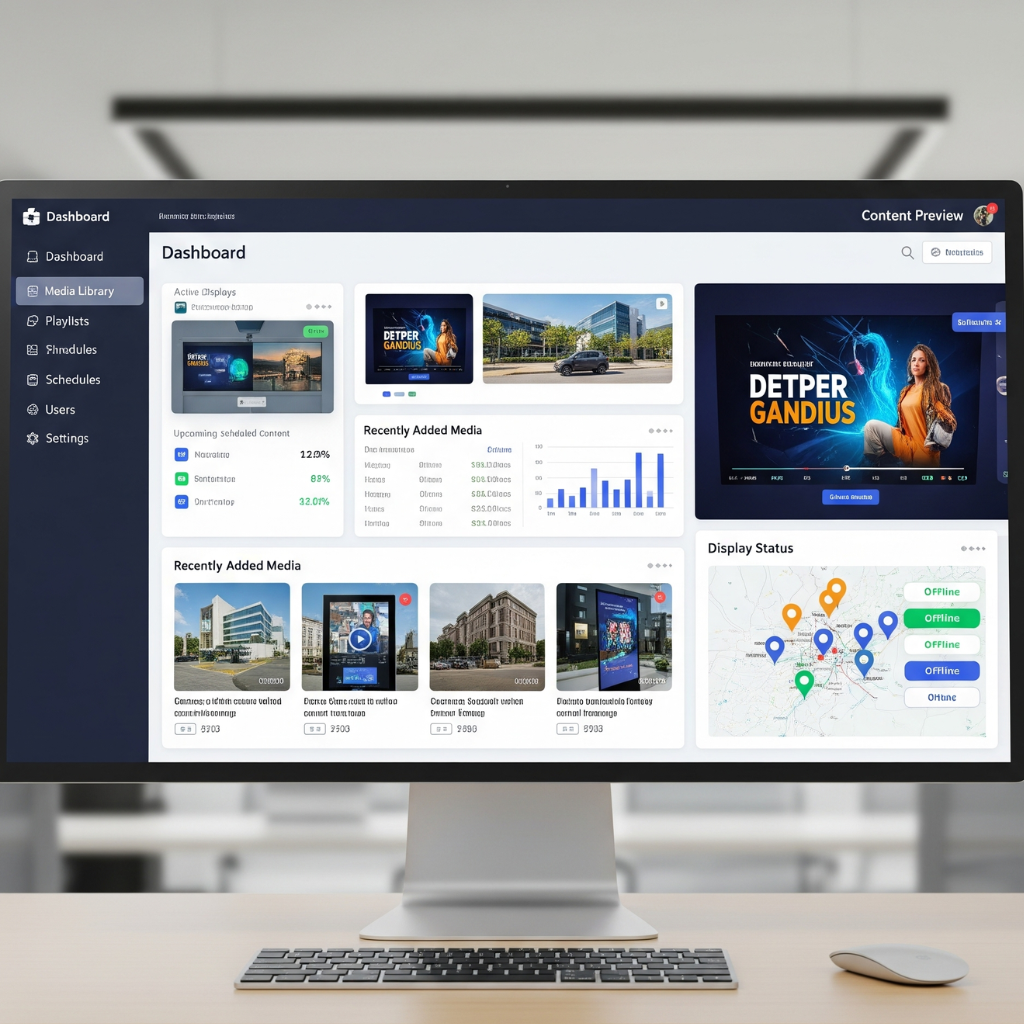
2. Select a Content Management System (CMS)
A CMS is the backbone of publishing. It allows businesses to:
- Upload videos, images, and text
- Schedule content by time/date
- Manage multiple displays remotely
- Monitor performance in real time
Popular CMS options include cloud-based platforms and customized in-house systems.
3. Create Engaging Content
- Use short, clear messages for quick readability.
- Add motion graphics or video for higher retention.
- Keep branding consistent with your logo and colors.
- Optimize for screen orientation (landscape/portrait).
4. Schedule and Automate
Automation helps businesses publish the right content at the right time. For example:
- Morning: Coffee shop shows breakfast offers.
- Afternoon: Menu switches to lunch deals.
- Evening: Social media reviews or upcoming events.
5. Monitor and Update Regularly
Digital content should evolve. Keep track of customer reactions and update campaigns to stay relevant. Data analytics from CMS tools can show which messages are performing best.
Best Practices for Publishing Content
✅ Keep messages short and impactful.
✅ Use high-quality visuals for professional appeal.
✅ Maintain consistency across multiple displays.
✅ Test your content before publishing live.
✅ Combine offline promotions with digital campaigns for maximum impact.
Industries Benefiting the Most
- Retail: Highlight discounts, flash sales, and new arrivals.
- Hospitality: Display welcome messages, offers, and events.
- Education: Share announcements, class schedules, and achievements.
- Healthcare: Guide patients and share awareness campaigns.
- Corporate: Showcase updates, performance dashboards, and motivational messages.
Future of Content Publishing on Digital Displays
With the rise of AI and IoT, publishing content will become even smarter:
- Personalized content based on audience demographics.
- Integration with mobile apps and QR codes.
- Real-time data-driven updates (e.g., weather-based promotions).
Conclusion
Publishing content on digital displays is no longer just an option—it’s a necessity. Businesses that adopt smart publishing strategies not only save costs but also engage customers better, boost brand visibility, and create memorable experiences.
Whether you are a small business owner or a large enterprise, mastering the art of publishing digital content can give you a strong competitive edge in today’s market.